Every city has that one street. Paris has the Champs Élysées. New York has Fifth Avenue. London has Oxford Street. Melaka? Melaka has Jonker Walk, a street so gloriously alive that it appears to have consumed three espressos, an entire orchestra, and a year’s supply of pineapple tarts before breakfast.
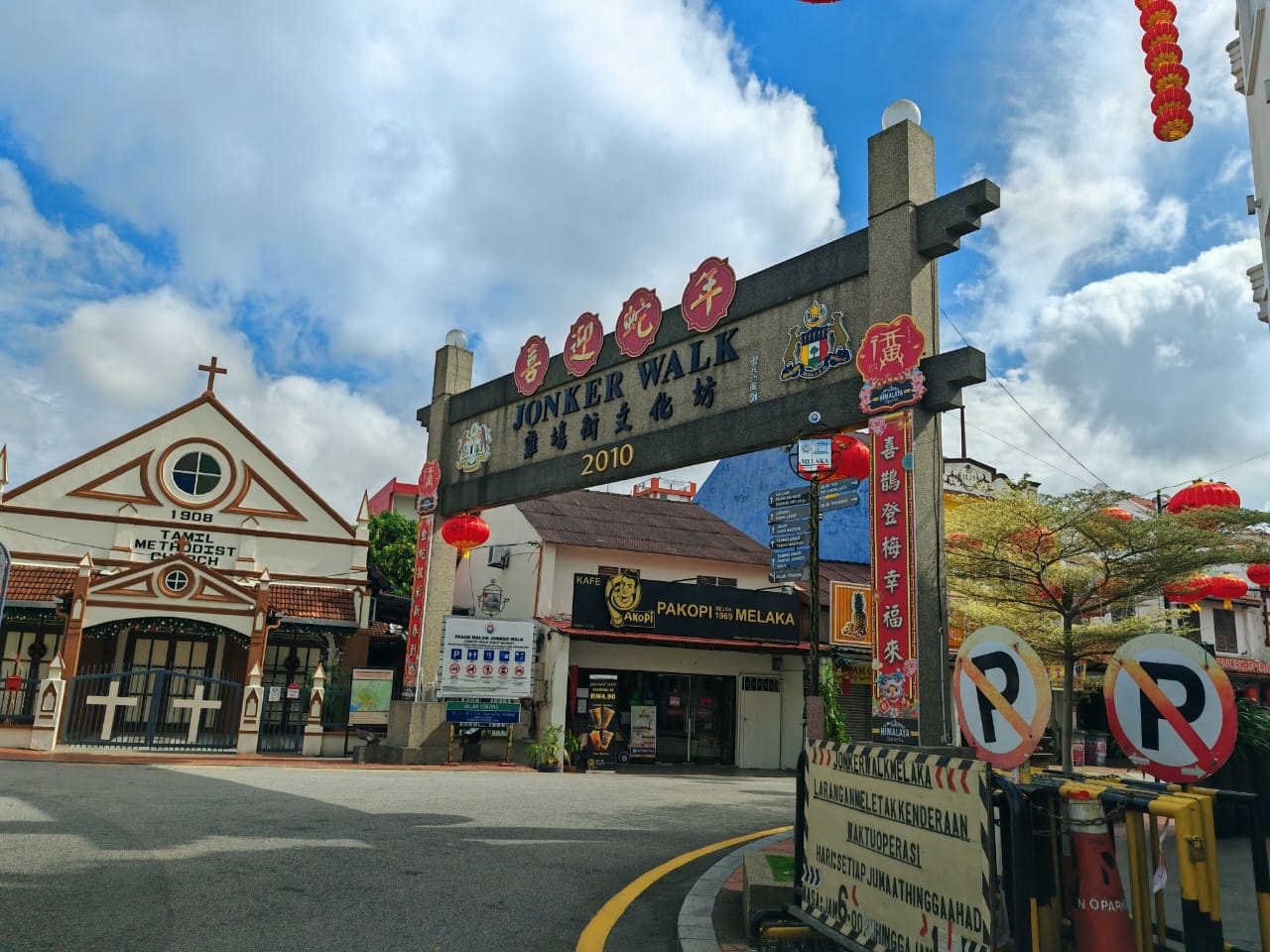
The funny thing is that during the day, Jonker Walk looks rather innocent. Old shop-houses stand shoulder to shoulder like elderly relatives posing for a family photograph. Their colourful shutters have witnessed centuries of arguments, celebrations, business deals, heartbreaks, weddings, and probably the occasional flying slipper.
You stroll past antique shops filled with porcelain older than several countries, tiny workshops where craftsmen still practise disappearing trades, cafés tucked inside restored heritage buildings, and galleries that quietly remind visitors that history can be beautiful without shouting. Many of these buildings date back to the seventeenth and eighteenth centuries, reflecting Melaka’s long history as a multicultural trading port.
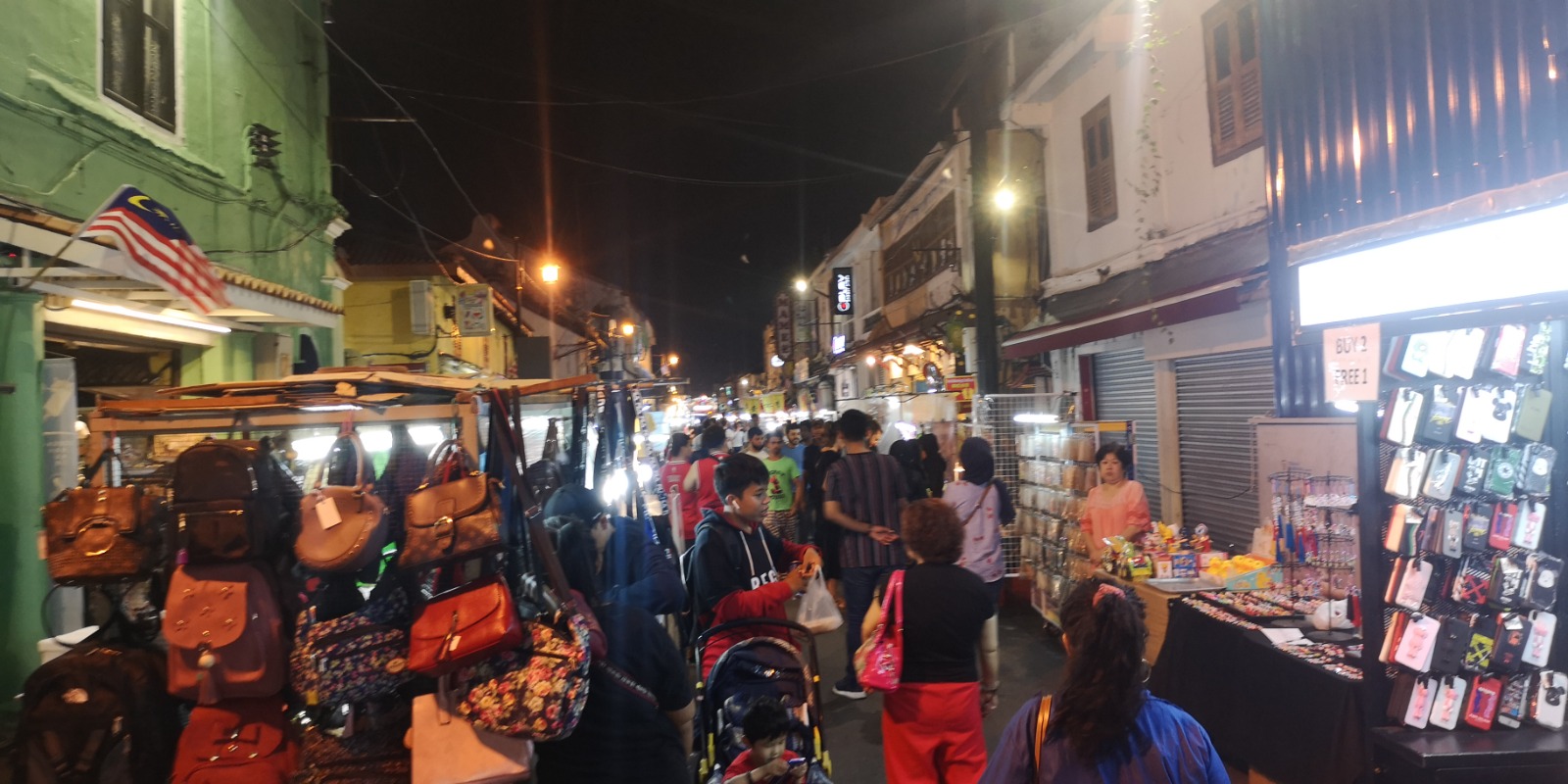
Then the sun begins to sink. That is when Jonker Walk smiles, and everything changes. Every Friday, Saturday and Sunday evening, from around 6.00 pm until midnight, Jalan Hang Jebat transforms into one of Melaka’s most famous night markets. Roads close. Stalls appear almost magically. Music begins floating through the air. Smoke from grills curls upwards like invitations nobody can refuse.
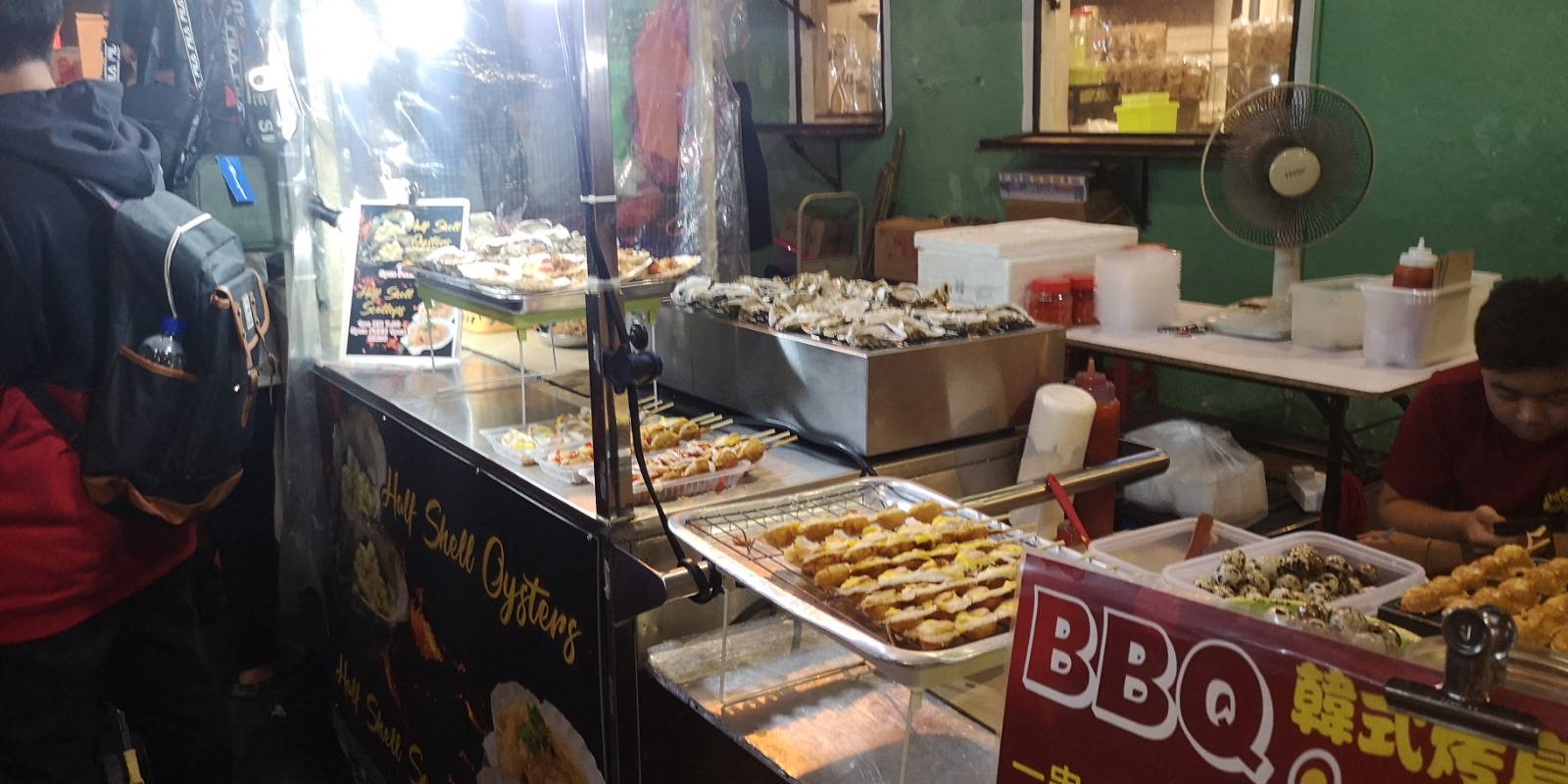
Suddenly your carefully planned diet files an official resignation. One moment you are “just looking.” Five minutes later you are holding grilled seafood, coconut ice cream, colourful drinks, smoky satay, and wondering whether another dessert counts if you are technically still walking. Walking, after all, is exercise. That is the story everyone tells themselves.
At night Jonker Walk puts on a different mask.
The beauty of Jonker Walk is that it never asks visitors to choose between history and entertainment. It simply serves both. A few steps take you from centuries-old Baba Nyonya heritage to modern cafés where latte art receives almost as much attention as the coffee itself.
A few more steps and someone is performing music. Another few and you discover handmade crafts. Turn again and somebody is selling vintage treasures that may genuinely be antiques, or may simply possess remarkable confidence. That uncertainty is part of the adventure.
The name “Jonker” itself comes from a Dutch word referring to a young nobleman or high-ranking merchant, a reminder of the Dutch chapter in Melaka’s remarkable story. Long before tourists arrived carrying cameras and smartphones, this street was already the commercial heart of the city’s Chinese community. Its Chinese name, Chicken Street, tells another chapter of the same fascinating tale.
When in Jonker Walk at night, you’ll never need to feel hunger.
This is where Jonker Walk becomes wonderfully deceptive. Many visitors think they have come for food. Others believe they have arrived to buy souvenirs. Some come for photographs. None of them realise they have accidentally wandered into a living museum.
The walls remember Portuguese footsteps. The foundations remember Dutch merchants. The neighbourhood remembers British rule. Generation after generation has layered its own story upon the previous one until the entire street resembles a history book that has somehow learned how to cook exceptional food.
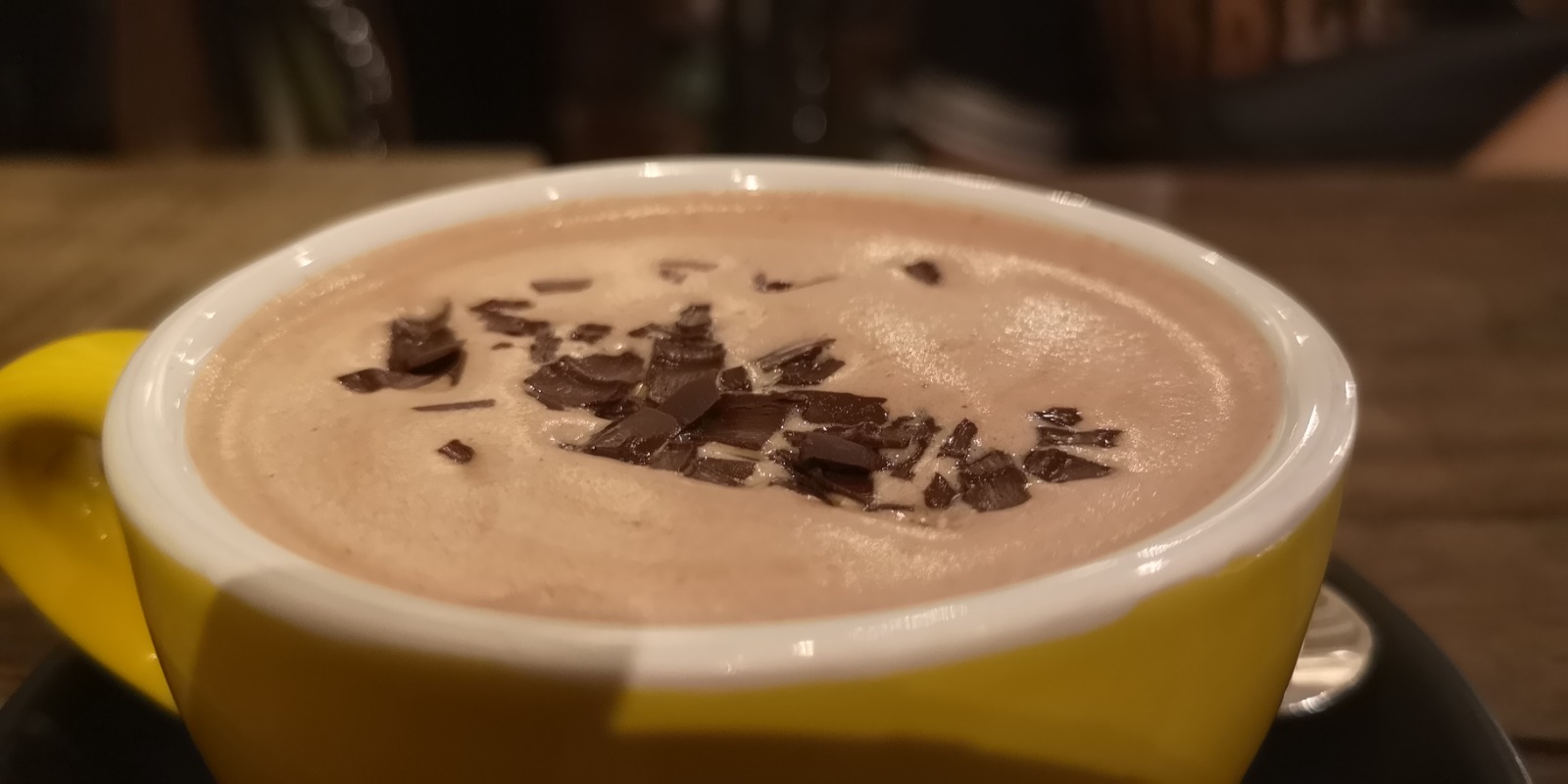
Lots of lovely cafes along Jonker Walk, should one need to take a break from the crowd, and the walking.
That is why Jonker Walk feels different. It is not pretending to be old. It simply is. Unfortunately, popularity has its consequences. Weekend evenings become delightfully chaotic. The crowds are thick enough to convince you that every resident of Melaka has independently decided that tonight is exactly the right night for dessert.
Personal space becomes an abstract philosophical concept. Yet somehow, nobody seems to mind because every few metres there is another discovery, another laugh, another aroma, another tiny detail hidden in a carved doorway or weathered wooden window that whispers stories from centuries ago.
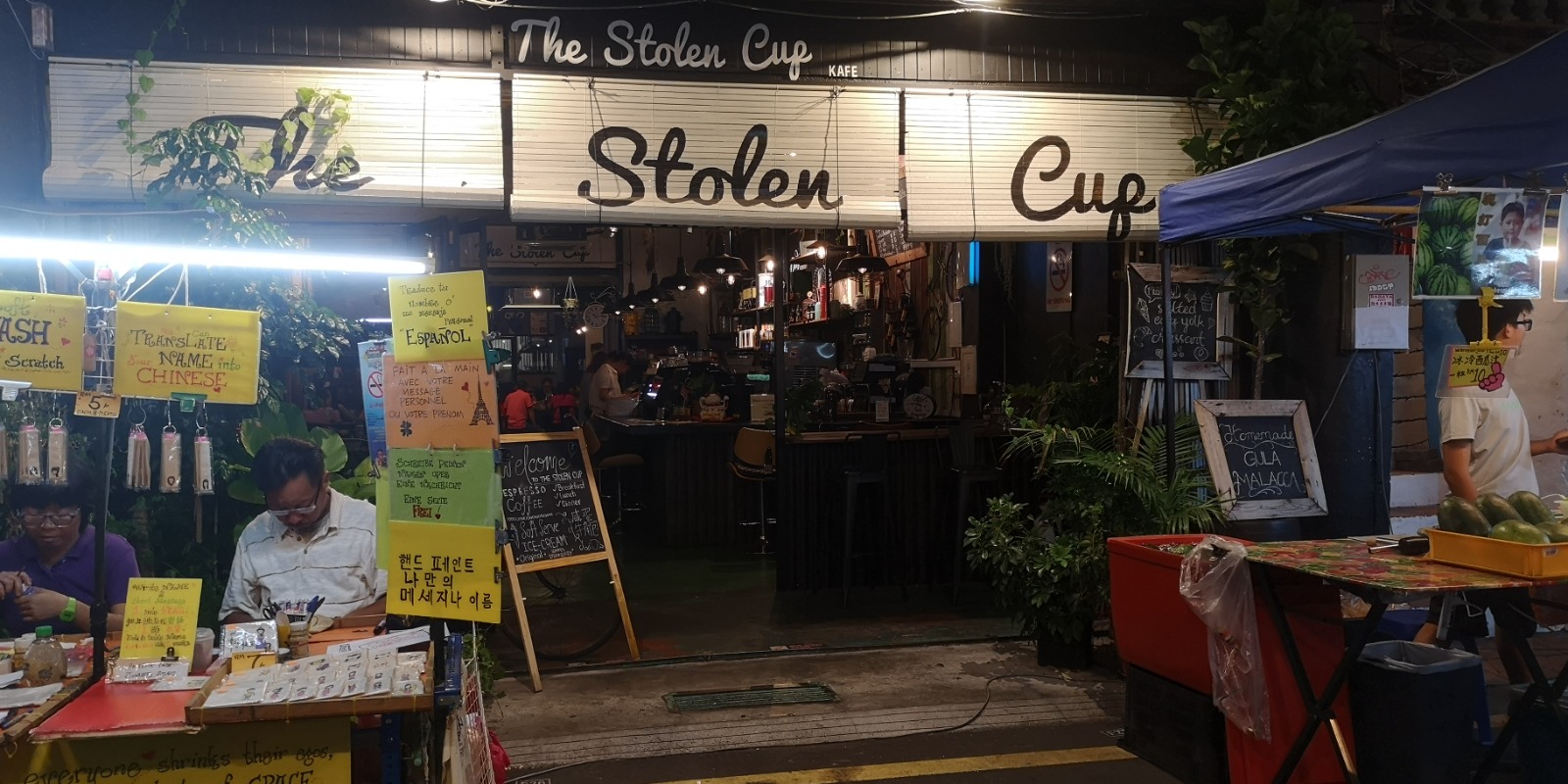
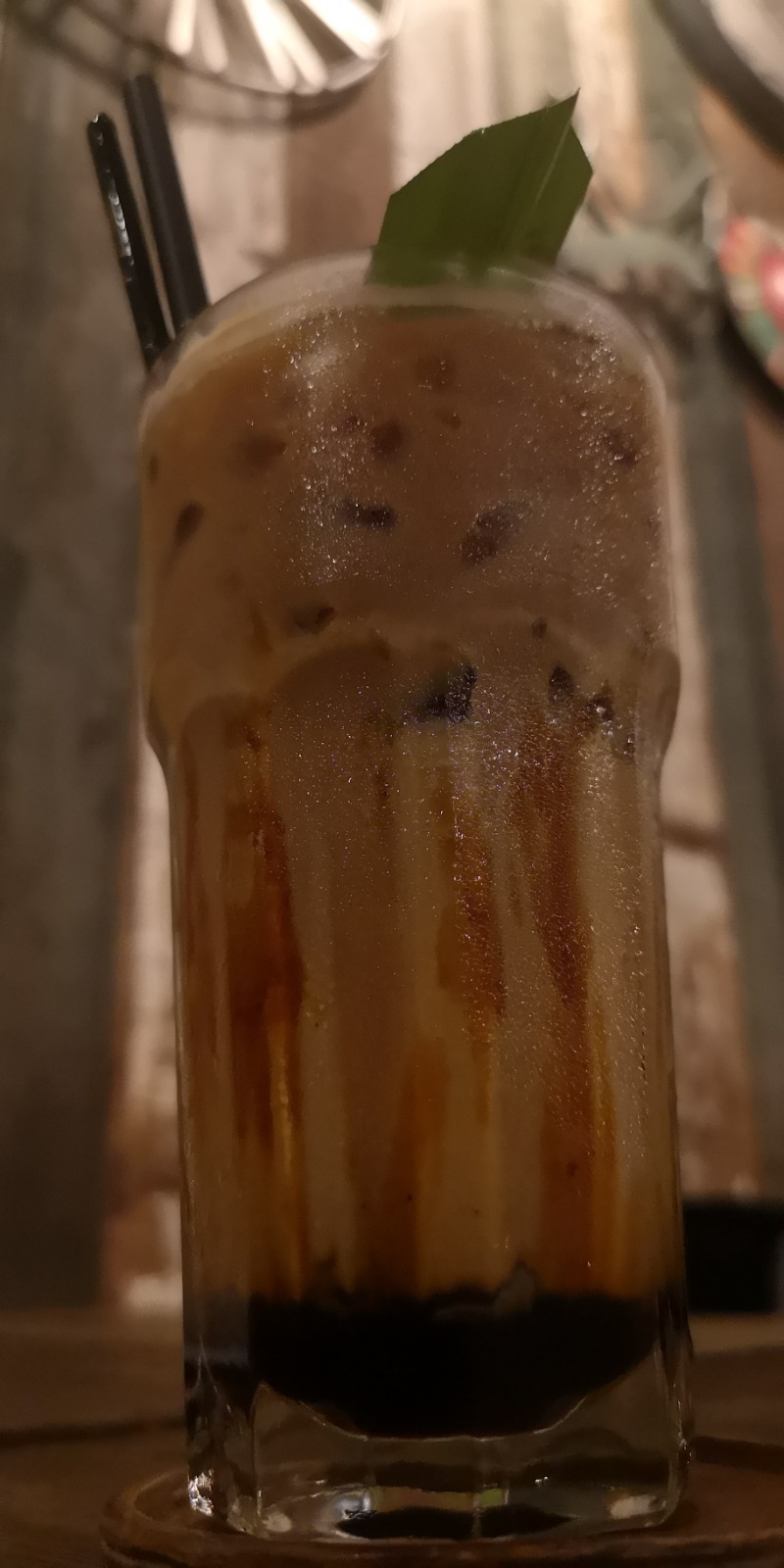
We took a coffee break at The Stolen Cup during our visit to Jonker Walk.
Melaka became part of the UNESCO World Heritage listing in 2008 because of its extraordinary blend of Asian and European influences, developed over more than five centuries of global trade. Jonker Walk sits proudly within that historic urban landscape, proving that heritage does not belong behind glass. Sometimes, it serves dinner instead.
Perhaps that is the greatest magic of Jonker Walk. It reminds us that history is not a dusty subject trapped inside textbooks. Historic places laugh, bargains, grills satay, sells beaded shoes, antiques, handmade crafts, and ice cream while children run past chasing bubbles, and is wonderfully alive.
They’ve got plenty of delicious food, drinks, and things for you to enjoy, and buy. Jonker Walk is one place to visit.
So when you finally leave Jonker Walk carrying far more shopping bags than you intended, your feet aching, your camera overflowing, and your stomach negotiating peace terms with your waistband, you may think you have simply visited a famous street. But perhaps the street visited you instead. Because once Jonker Walk has introduced itself, it has an amusing habit of quietly following you home, lingering in your memories like the irresistible aroma of freshly grilled street food.
And that leaves one deliciously dangerous question. If one street can preserve centuries without ever standing still, what other forgotten stories are waiting just around the next corner of Melaka?
Additional Information
Jonker Walk (Night Market)
Address: 108, Jalan Tokong, Kampung Tiga, 75200 Melaka, Malaysia.